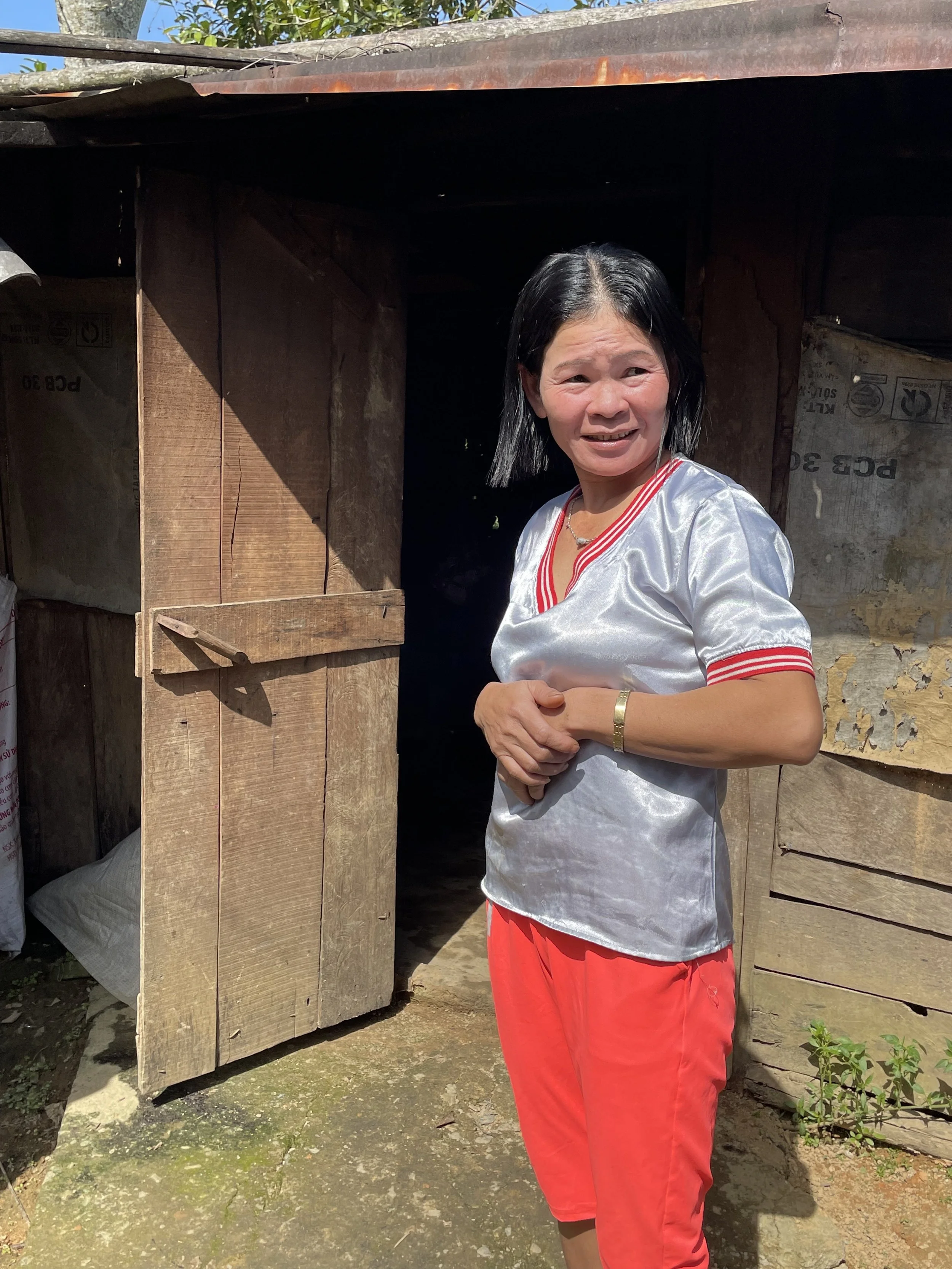
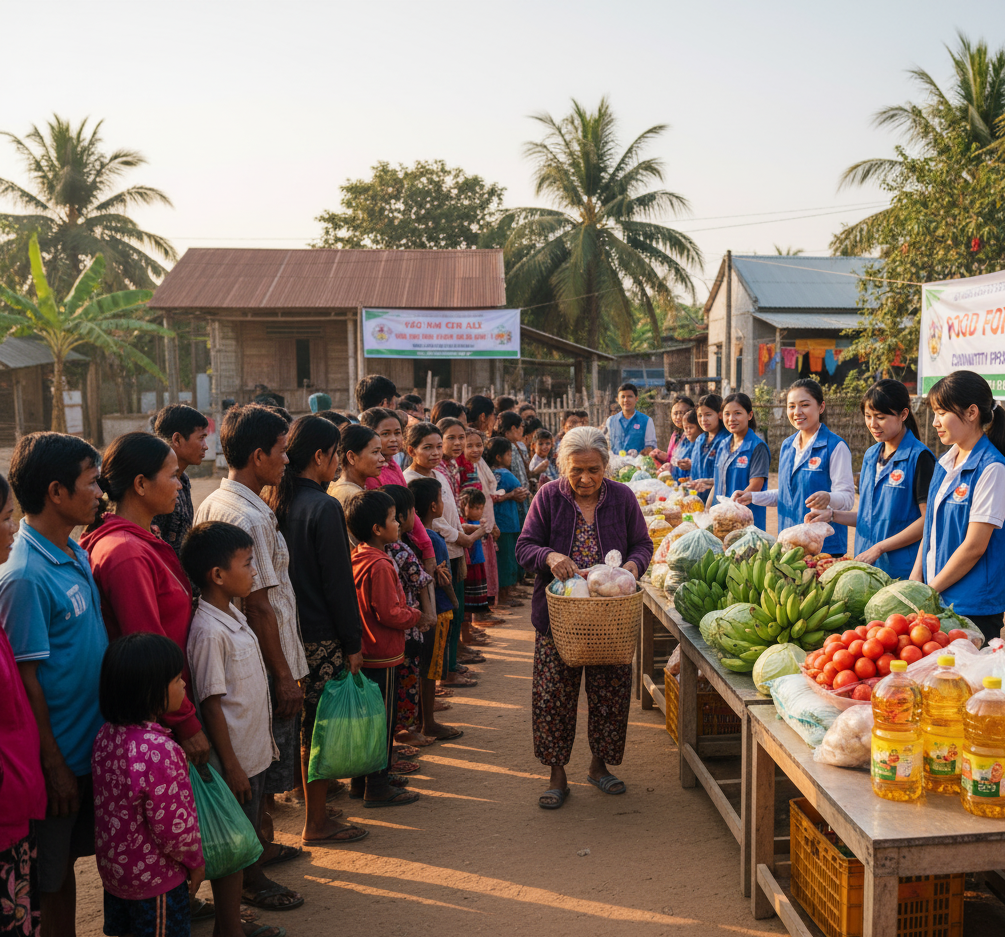
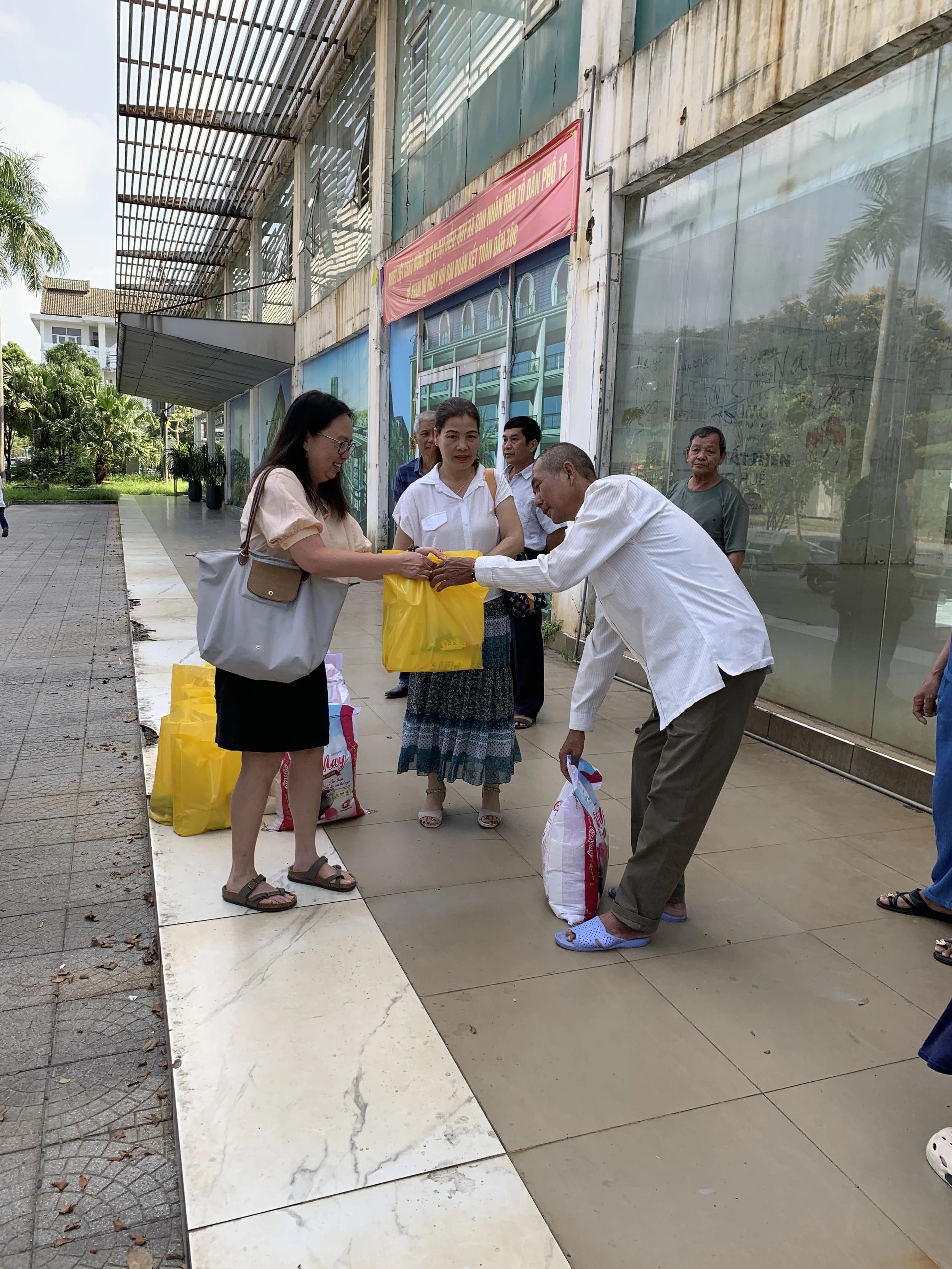
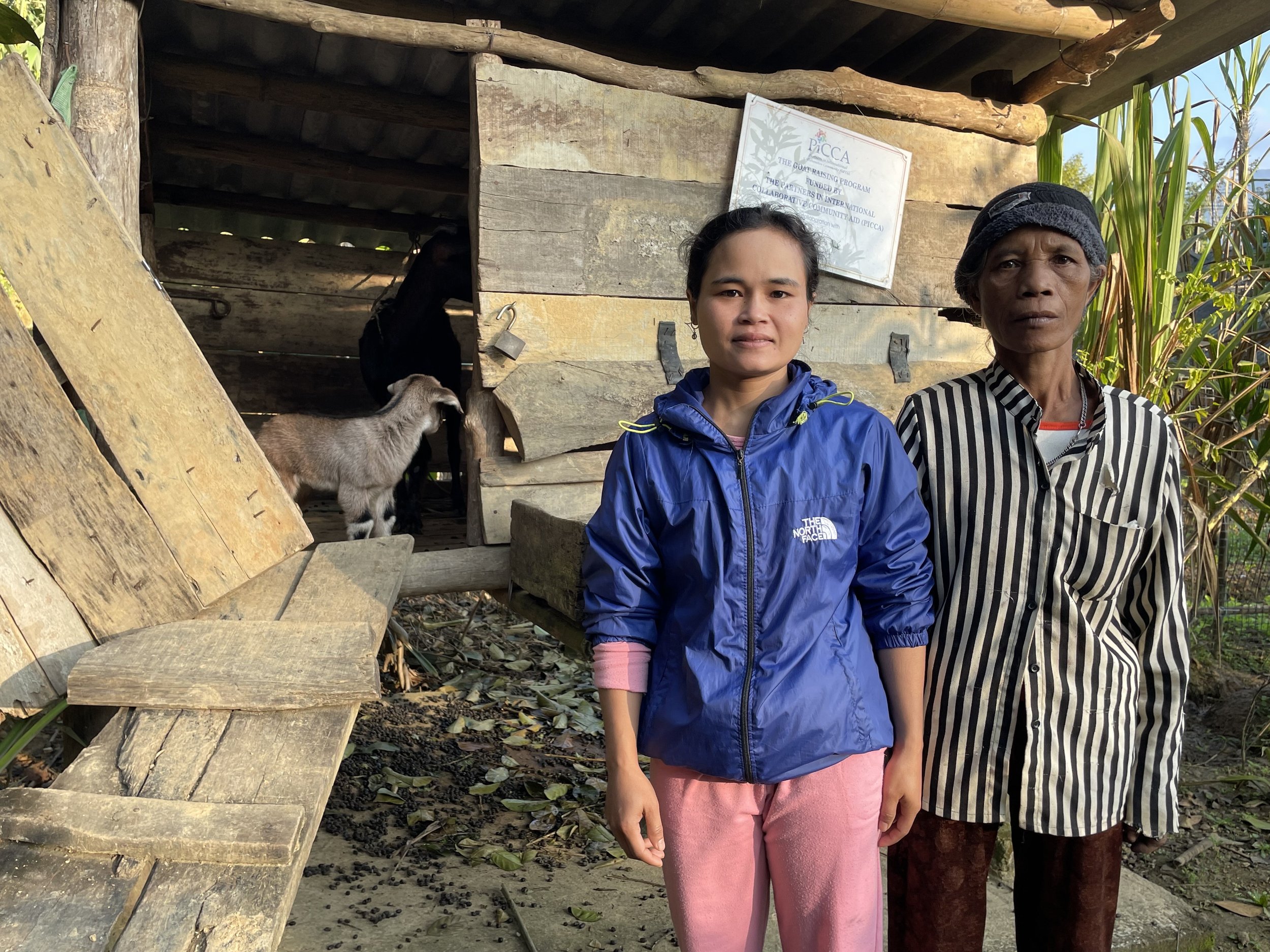
The United Nations Sustainable Development Goal 2 (SDG2) is to end hunger by 2030. Vietnam has an overall poverty rating of 4%, classifying the country at a moderate level per the Global Hunger Index. The foundation will target the regions with the highest poverty rating including the Central coastal, Central highlands, and the Northern midland and mountainous regions which range from 8% to 18%.
Our efforts will be to increase agricultural productivity and incomes of small-scale food producers, in particular women, indigenous peoples, and family farmers, by providing initial funding, supplies, and knowledge.
See how we plan to invest in sustainable growth.
We are tackling hunger at its root by focusing on agricultural productivity and income generation. Our program works directly with small-scale food producersâa group that includes vital community members like women, indigenous peoples, and family farmers.
We provide a comprehensive package of support:
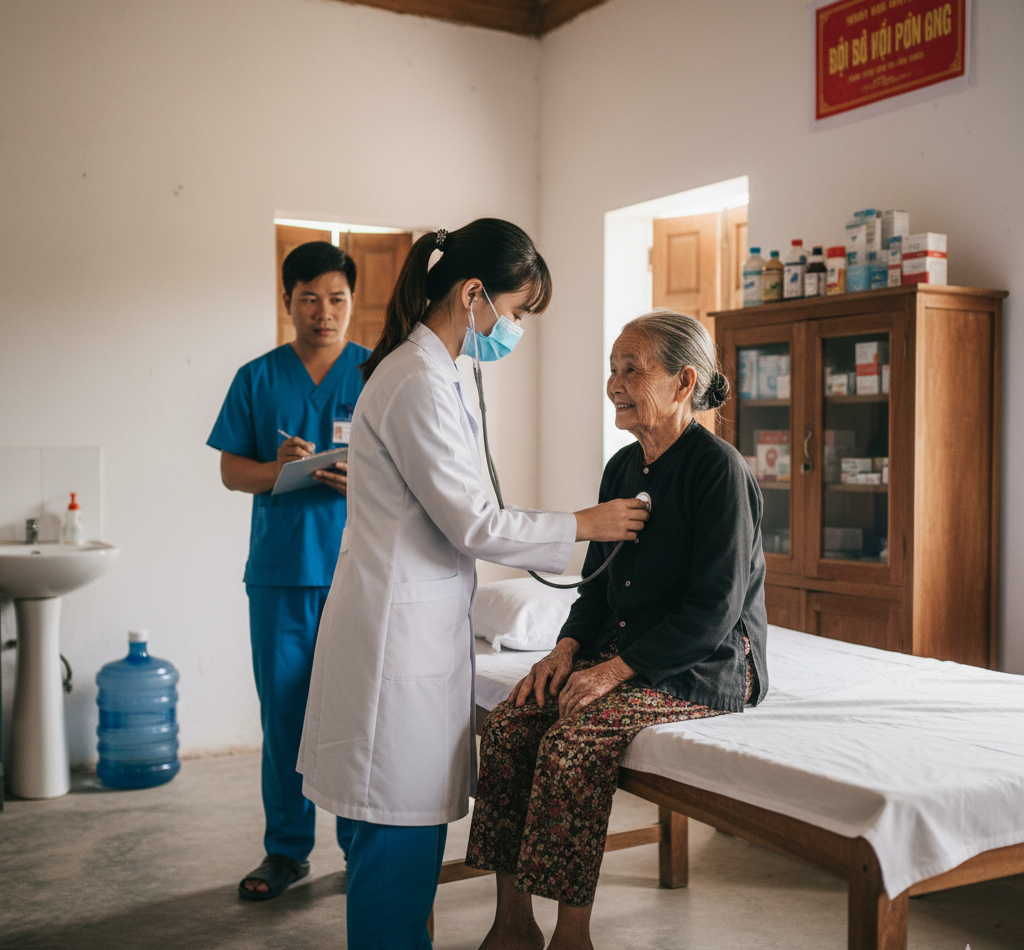
In Vietnam, many households follow a multi-generational family structure, with grandparents, parents, and children living together. Despite significant healthcare reforms, out-of-pocket health expenditures remain among the highest in the region, reaching over 40% of total healthcare costs. When a family member falls seriously ill, the financial strain can lead to devastating consequences, including food insecurity, loss of income, and, in some cases, homelessness. Over 12% of affected families may lose their homes, forcing them into precarious living conditions without reliable access to food.
See how we plan to address this issue.
We believe no family should face hunger while caring for a loved one. Our two-phase strategy begins with emergency food support for families in crisis and builds toward lasting food security through sustainable agriculture. By combining immediate relief with long-term empowerment, weâre helping families move from dependence to self-reliance
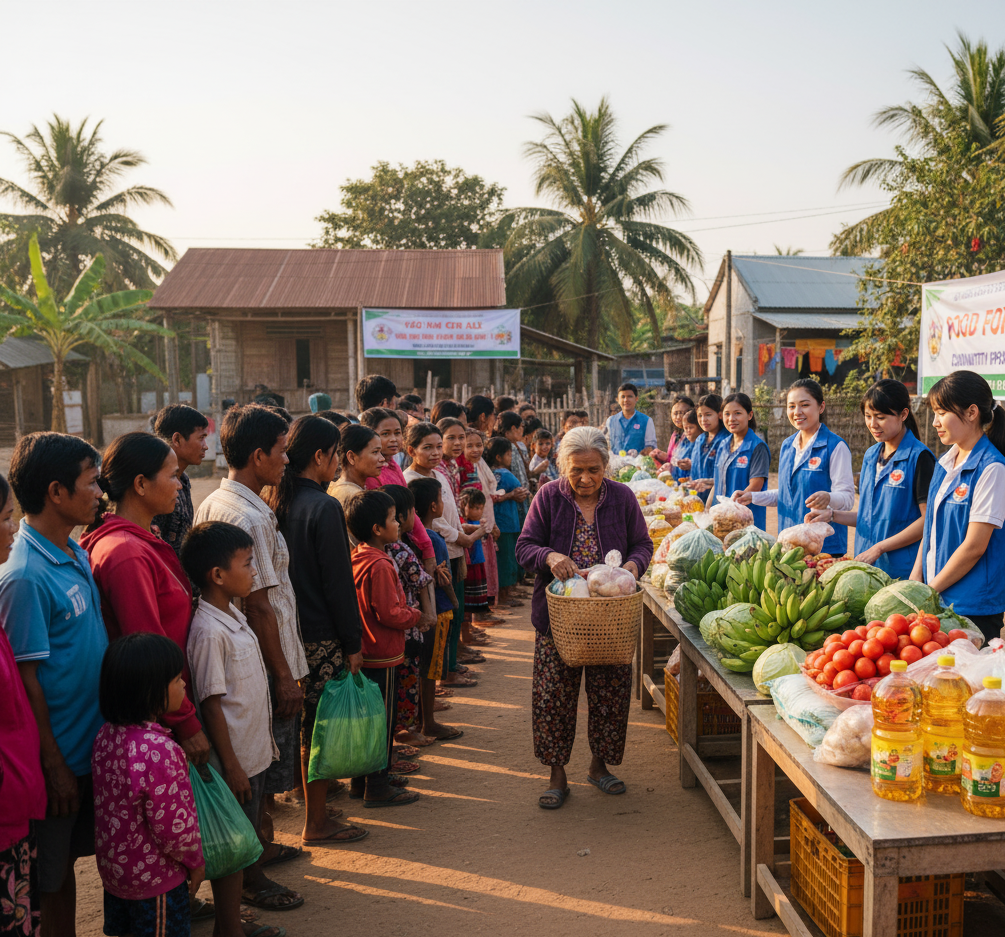
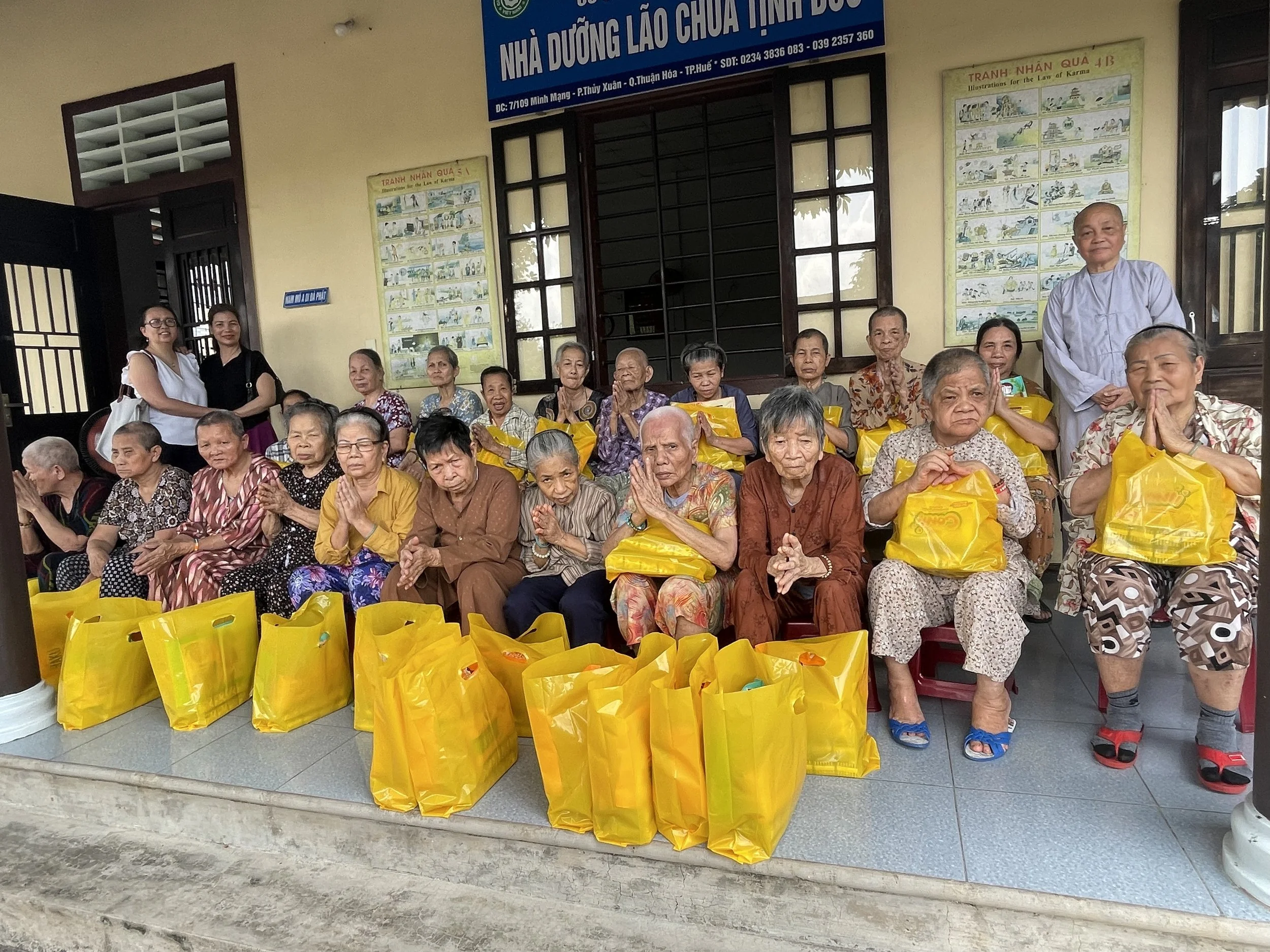
The Foundation will distribute prepared meals and non-perishable food supplies to families caring for hospitalized loved ones. While providing food support, we will collect data on family needs and overall effectiveness of the aid. This phase serves as a short-term nutritional bridge during moments of crisis.
Based on insights from Phase One, the Foundation will develop a program to provide sustainable gardening and small-scale farming supplies, empowering families to grow their own food and reduce dependence on emergency aid. This phase will target the most food-insecure households identified in initial assessments.
Your donation directly funds prepared meals and non-perishable food supplies, preventing the financial disaster that leads to homelessness and hunger when a family member is ill.
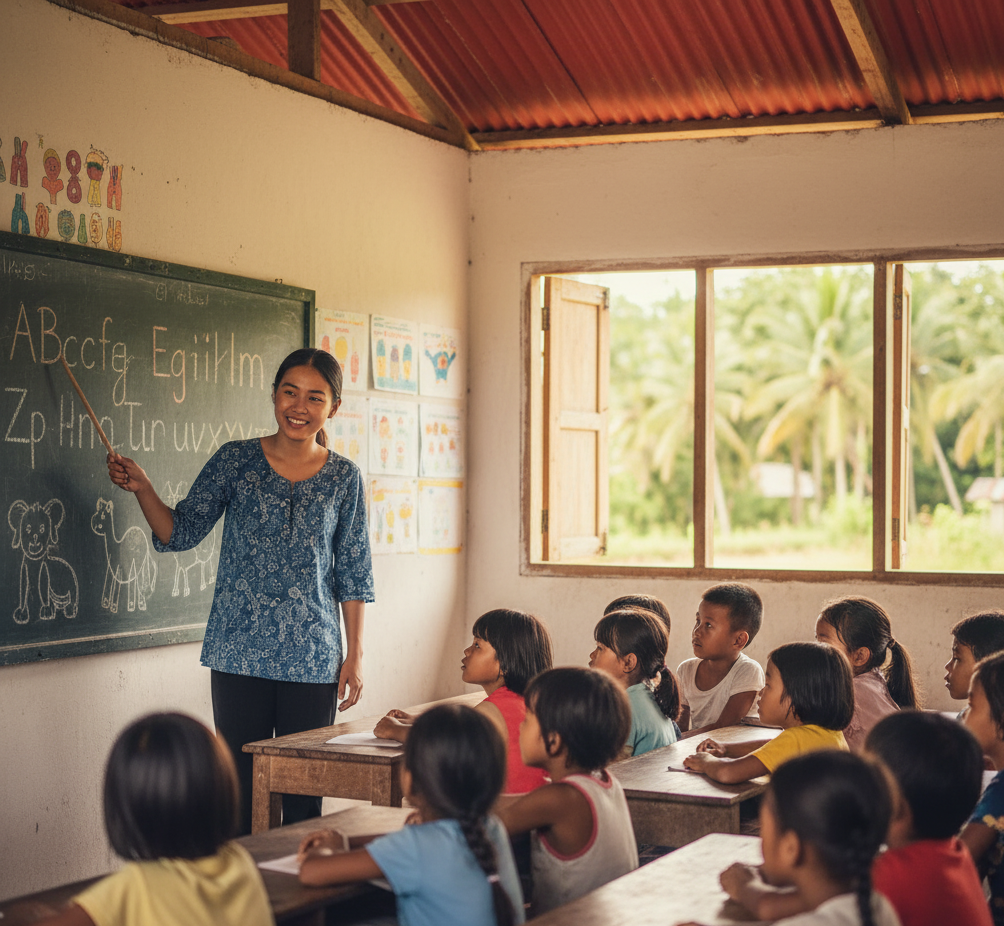
We need passionate volunteers to assist with long-term food security, particularly in teaching and implementing sustainable agricultural techniques.
Every act of support is a step toward ending hunger by 2030.